Disuse syndrome, a term coined in the 1980s, is a term for the physical decline and other problems that arise when the human body is deprived of physical activity. Whether it’s due to a general lack of exercise, a job that forces you to sit for long periods of time, or illness and pain that forces you to rest for prolonged periods, many people are at risk for developing disuse syndrome.
This syndrome can even lead to nervous system changes, including slower mental processing (slow thinking), difficulty memory and concentration – even depression and anxiety.
Disuse Syndrome Causes:
There are several causes of disuse syndrome including:
•Lack of physical exercise
•Sedentary jobs
•Sedentary lifestyle
•Extended bed rest due to illness or injury
•Wearing a cast
•Joint disease
•Neuropathic pain
The Effects Of Disuse Syndrome:
When we stop using our bodies, it leads to a deterioration of many of our body’s functions.There are several physical consequences of disuse that occur in many body systems.
Most notably are the muscles and skeleton, cardiovascular system, blood components, the gastrointestinal system, the endocrine system, and the nervous system.
In the musculoskeletal system, disuse of muscles can quickly lead to atrophy and muscle wasting.
If you’ve ever had an arm or leg in a cast, you’re familiar with how noticeably smaller the limb is when the cast is removed.
That’s because of disuse.
Cardiovascular effects also occur due to disuse, including a decrease in oxygen uptake, a rise in systolic blood pressure, and an overall blood plasma volume decrease.
Physical inactivity will also lead to nervous system changes, including slower mental processing, problems with memory and concentration, depression, and anxiety.
Disuse Syndrome Is A Key Factor In Chronic Pain.
There are many other detrimental physiological changes that can occur.
Inactivity plays a pervasive role in a lack of overall wellness.
Disuse is physically, mentally, and spiritually debilitating.
Many experts agree that disuse syndrome is a key variable in the development of many chronic pain problems.
Disuse syndrome can result in many significant medical problems, and it increases the likelihood of a chronic pain syndrome developing or becoming worse.
It can also lead to a variety of emotional changes that are associated with an increased perception of pain.
Unfortunately, common attitudes and treatment in today’s medical community doesn’t rely on physical activity and exercise of any type, and instead lead to more passive treatments.
The Relationship Between Chronic Pain and Inactivity.
People who are more physically active can lower their risk for chronic pain development or ease some of the pain. Unfortunately, the tendency in some people experiencing chronic pain, especially older adults, is to be less physically active.
Chronic pain affects approximately 60-75 percent of older U.S. adults. A recent study by Penn State researchers found that people who feel hopeless or “catastrophized” about pain were more likely to be sedentary throughout the day, instead of more active. It only makes chronic body pain worse.
Chronic pain is a physical and mental condition in that you must be willing to remain positive and continue moving. Feeling hopeless will only make the situation worse.
Disuse Syndrome Treatment.
Treatment for disuse syndrome involves exercise. When getting started, it can be as simple as taking a walk several times a week. If that seems too overwhelming or you feel that you don’t have time, incorporate movement into routine activities:
•Take the stairs instead of the elevator if you’re going up one or two stories
•Walk to coworkers’ desks instead of phoning
•Take a walk during your lunch break
•Walk to close-by places for quick errands (pharmacy, grocery store, dry cleaners, etc.)
•Meet up with friends for physical activities, such as bike riding or a walk, instead of dinner or a happy hour
•Dance
•Stretch
•Do push-ups, lunges, and squats during television commercial breaks
•Get a dog and take him or her on walks twice a day
An area on the body sensitive to pressure: such as: a discrete point on the body that when pressed causes pain The technique involves using pressure points along the jaw to cause pain and induce temporary paralysis of the jaw.
How do you give head pressure points?
Activate these points by applying firm pressure with the index and middle fingers of both hands. Alternatively, interlock the fingers behind the head and press the thumbs into the hollow spaces at the base of the skull. Massaging the gates of consciousness pressure points may also help relieve neck pain
Massaging your scalp everyday will enhance blood circulation and can even strengthen your follicles. However, make sure you do it gently and don’t rub vigorously. This can cause your hair to break. … However, shampooing everyday can also remove essential oils and moisture from your scalp.
THERE ARE 6 ESSENTIAL STEPS FOR HAIR MASSAGE ⬇️
Step 1 – Effleurage (5 minutes, 15 seconds)
Create a sense of calm in preparation for the massage treatment:
Stroke your hands gently down your client’s head towards the nape, 3 or 4 times, to completely cover the head Finish by holding your client’s head lightly until your breathing synchronizes with them
Step 2 – Pétrissage (1 minute, 30 seconds)
Place your hands on your client’s head with your fingers out-stretched, one hand should be on each side of their head, above the ears Use the outside edge of the heels of your hands to make contact with the sides of the head Roll the pressure up the edges of your hands to the tips of your little fingers Maintaining a smooth rhythm, roll back from the little fingers, back down towards the heels of the hands Move 2 finger widths up the head each time Following parallel lines, work this technique over the whole head
Step 3 – Friction (1 minute, 30 seconds)
Support the forehead with one hand Rotate two fingers around from the other hand Work back from the front hairline in a parallel line down from the front hairline towards the nape Once at the nape area, hold both fingers pushing gently upwards and count to three Return to the front hairline and once again work down towards the nape, 2 finger widths away from the first line Count to three once at the nape area and repeat this process until you have covered the whole of one side of the head Change sides and repeat the whole process on the opposite side of the head
Step 4 – Friction (1 minute)
Starting with your hands on either side of the neck, slide your fingers up through your client’s hair keeping them close to the scalp When you have gathered a handful of hair between the fingers, firmly pull away from your client’s head and allow the hair to move through your fingers under tension Repeat this process all over the head, always pulling your client’s hair at right angles away from the scalp Once completed, stroke or comb through the hair from the nape to the hairline
Step 5 – Friction (1 minute)
Support your client’s forehead with one hand and place the heel of your other hand on the nape of one side of your client’s head Knead the heels in circular movements with strong pressure up from the neck over the head towards the crown Repeat this procedure on the other side of your client’s head, from the nape to the crown, stroking the hair after changing sides Now repeat the process from the crown to the front hairline, on both sides of your client’s head Finish by rubbing briskly over the head, then gently comb or stroke the hair
Step 6 — last step
Complete the massage by placing both your hands firmly on your client’s shoulders. This provides a clear signal to your client that the massage is complete.
CONTANT TABLE •What is Acne? •Acne Symptoms •Acne Causes •Common Myths About Acne •Acne Complications •Types of Acne •Hormonal Acne •Fungal Acne •Acne Grades •Difference between acne and other skin problems •Ask a FREE Question—Get Answers from doctors within 24 hours
What is Acne?
Acne is a skin condition that occurs when your hair follicles become plugged with oil and dead skin cells. It causes whiteheads, blackheads or pimples. Acne is most common among teenagers, though it affects people of all ages.
Acne Symptoms
Crusting of skin bumps.
Cysts.
Papules (small red bumps)
Pustules (small red bumps containing white or yellow pus)
Redness around the skin eruptions.
Scarring of the skin.
Whiteheads.
Blackheads.
Acne Causes
Four main factors cause acne: •Excess oil (sebum) production. •Hair follicles clogged by oil •Dead skin cells. •Bacteria such as — anaerobic bacterium Propionibacterium acnes
Certain things may trigger or worsen acne: •Hormonal changes. •Certain medications. •Diet. •Stress.
📌Common Myths About Acne: It is estimated that 80 percent of all people will have an acne breakout at some point in their lives. Like many ailments that plague so many people, myths have developed over the years about what causes acne and the best way to treat it.
🔸Myth: Only teenagers get acne.
Although acne most frequently appears in adolescents, it also shows up for the first time in people in their 20s and 30s. People of all ages get acne.
🔸Myth: Acne is caused by dirt.
Acne flare-ups cannot be traced to dirt or poor hygiene. In fact, washing too frequently or scrubbing too vigorously can irritate skin and make acne worse.
🔸Myth: Eating chocolate and greasy foods causes acne.
There is no proven connection between chocolate, pizza, potato chips, french fries, cheeseburgers, etc., and acne outbreaks. Recent research has indicated a link between acne and non-organic dairy products.
🔸Myth: Stress causes acne.
Stress does not cause acne to appear – but it can make it worse.
🔸Myth: Popping pimples makes them go away sooner.
Quite the contrary: Squeezing pimples and blackheads can lead to additional inflammation, infection and scarring.
🔸Myth: Getting a tan helps clear up acne.
A little time in the sun won’t hurt, but prolonged exposure to ultraviolet light from the sun or tanning devices can irritate skin and result in more acne. This can also increase the risk for skin cancer.
🔸Myth: Acne will go away on its own.
Acne typically does not resolve on its own. Without treatment, acne can often progress and worsen.
Acne Complications
Acne scarring can sometimes develop as a complication of acne. Any type of acne spot can lead to scarring, but it’s more common when the most serious types of spots (nodules and cysts) burst and damage nearby skin.
Scarring can also occur if you pick or squeeze your spots, so it’s important not to do this.
There are 3 main types of acne scars:
ice pick scars – small, deep holes in the surface of your skin that look like the skin has been punctured with a sharp object
rolling scars – caused by bands of scar tissue that form under the skin, giving the surface of the skin a rolling and uneven appearance
boxcar scars – round or oval depressions, or craters, in the skin
6 Types of Acne You Should Know!
There are 6 different types of acne, and they fall within one of two categories: inflammatory and noninflammatory acne.
Noninflammatory acne The first acne category is called noninflammatory acne or comedones, and these include blackheads and whiteheads.
Whiteheads Whiteheads are also known as closed comedones. They form when a pore gets clogged by sebum and dead skin cells.
Blackheads Blackheads are also known as open comedones. These small, dark-coloured spots are visible on the skin’s surface and slightly raised bumps. A common myth is that blackheads are dark because they trap dirt. This is false. Blackheads are actually caused by whiteheads that have oxidised due to exposure to air, so they darken.
Inflammatory acne The second category of acne is inflammatory acne. This category of acne is typically what most people think of when they think of the word “pimples”.
Papules Papules are types of acne that are sensitive to the touch. It’s tender when to touch, and you will notice red or pink or bumps forming around the skin. Picking the acne can make the inflammation worse and lead to scarring. In severe cases, papules can cluster together and appear very red and painful.
Pustules Another inflamed acne that you should know, pustules, looks like acne with a white or yellow head and is filled with pus. Avoid picking up pustules as it can cause scars or dark spots visible on the skin.
Nodules Nodules are located deeper underneath the skin, where it needs prescription medication to treat them. It’s a solid, hard lesion that can be over 5mm in diameter (large) and not filled with pus. Most of the time, doctors or dermatologists are likely to prescribe oral medication, isotretinoin, to treat nodules by decreasing oil gland size within the pores.
Cysts This type of inflamed acne is a large painful, swollen, red and white bump that doesn’t have a head. Cysts develop when your skin is clogged by a combination of bacteria, sebum and dead skin cells. It takes place way deeper into the skin than nodules, and it can lead to scarring if it is picked at.
Hormonal Acne
Hormonal acne, also known as adult acne, affects adults between the ages of 20 and 50. Acne causes bumps on your face, shoulders, chest and back in the following forms:
Pimples.
Blackheads.
Whiteheads.
Cysts.
Hormonal acne is the direct result of excess sebum in oil glands.
Who does hormonal acne affect? Hormonal acne affects both men and women, but the majority of cases occur in women, pregnant women and women going through menopause.
Fungal Acne
Fungal acne is an overgrowth of yeast within the hair follicles. Sebaceous glands within your skin produce an oil called “sebum.” These glands can overproduce oil, and your pores and hair follicles can become clogged with oil as well as bacteria and yeast that are naturally found on your skin.
What does fungal acne look like? These breakouts tend to be small, uniform red bumps arising from the hair follicles, often in symmetric rows on the forehead, scattered on cheeks and, occasionally, on the upper back and upper chest. Fungal acne differs from traditional acne in that you won’t see the blackheads, pustules or deeper, painful nodules and cysts.
Acne Grades
When a dermatologist lands on a diagnosis of acne, it is classified into one of four grades. Dermatologists evaluate the types of comedones (blackheads) present, amount of inflammation present, breakout severity, how widespread the acne is, and what areas of the body are affected.
📌How to tell the difference between acne and other skin problems
There are many skin conditions that resemble acne, and it can be very difficult to know for sure what you are dealing with. Dermatologists Dr Jill Waibel and Dr Tsippora Shainhouse weigh in on some of the skin conditions commonly mistaken for acne.
🔸Rosacea
Rosacea is the most common skin condition mistaken for acne. Rosacea causes small red or pus-filled bumps to develop on the skin and leaves the face with the appearance of a chronic flush and persistent redness across the cheeks, nose, forehead and chin. Those suffering from rosacea also describe a burning sensation associated with the bumps and redness and swelling in the eyes and eyelids. While there may be times when symptoms improve, long-term treatment is usually necessary for treating rosacea.
Some of the ways to treat rosacea medically include applying topical treatments to your skin once or twice a day, such as metronidazole cream or gel, azelaic cream or gel, and ivermectin cream. If you have severe rosacea, your doctor may recommend treating with antibiotics.
Other ways of improving rosacea include:
Avoiding triggers.
Using a mild cleanser on your face.
Using only your fingertips to apply cleansers or lotions.
Rinsing with lukewarm or cool water.
Gently patting your face with a soft, clean towel.
Applying sunscreen when outdoors.
Covering up your face in direct sunlight.
Additionally, some doctors may choose to treat the redness with laser or light therapy.
🔸Keratosis pilaris
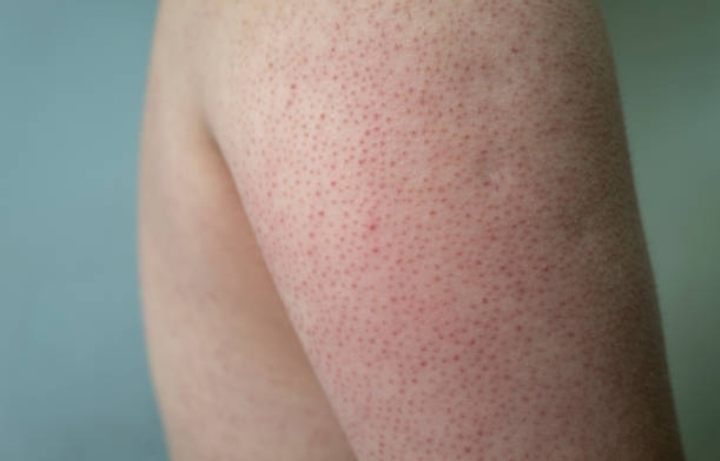
Keratosis pilaris is a very common genetic skin condition that looks like acne and can be very difficult to treat. The main differences between keratosis pilaris and acne, says Waibel, are the appearance of the bumps and the location of the blemishes. People who experience this condition have dry rough bumps on the outer sides of the upper arms, face, thighs and buttocks. Acne, on the other hand, is found throughout your face, chest and back.
These bumps are caused because of an excess of a protein called keratin in the openings of the hair follicles, and due to their white filling, they can look just like acne pustules. But Waibel explains that acne spots are instead filled with an oily substance called sebum.
“While it does tend to improve with age, keratosis pilaris can be managed with moisturisers and topical exfoliators, including alpha and beta hydroxy acids (like salicylic, lactic, or glycolic acids),” explains Shainhouse. But, if those don’t help, she recommends talking to your doctor about a prescription retinoid.
Waibel recommends applying a corticosteroid cream on the affected area twice a day for seven days maximum to help reduce the bumps, along with exfoliating two to three times a week. But she says it’s important to know that while the condition could become up to 80% better, it will never go away completely.
🔸Folliculitis
Folliculitis is caused by inflammation and irritation of the hair follicles, which is the same way acne can be triggered. Shainhouse says that sometimes folliculitis is related to bacteria, similar to acne, but often, it is triggered by yeast on the skin.
Folliculitis usually looks like red pimples with a hair in the centre of each one. The pimples may have pus in them and they may itch or burn. When the pimples break open, they may drain pus, blood or both. Folliculitis looks similar to acne because the bumps can have white filling in the lesion due to a bacterial infection; but it is not sebum, which is what you see with acne.
Waibel says another key difference between acne and folliculitis is the location: folliculitis can be anywhere there is a hair follicle, whereas, acne is only located on your face, chest, or back.
It’s important to see your doctor if you think you might have folliculitis. Then, depending on the severity of the infection, you may be prescribed a cream medication. If the infection is extreme, an oral antibiotic may be prescribed.
Prevention is better than cure, though. And the best ways to avoid folliculitis, according to Shainhouse, include: changing out of sweaty clothing as soon as possible, showering or wiping down with salicylic acid-based wipes after a workout, and trying an anti-yeast wash in the shower.
🔸Sebaceous hyperplasia
Sebaceous hyperplasia is flesh (or pinky-yellow) coloured small bumps that can develop on the forehead, cheeks, nose, and chin.
“They are actually enlarged oil glands in the skin, and sometimes you can even squeeze oil out of them,” explains Shainhouse. But they are not caused by oily skin, and, as Shainhouse says, they are also not the cause of oily skin.
She says that because sebaceous hyperplasia is inherited, you can’t prevent it. The bumps can be flattened during a process called electrocautery so they are not as apparent and can be easily covered by make-up, but this treatment is not available on the NHS.
🔸Periorificial dermatitis
“Periorificial dermatitis is an acne-like eruption that tends to develop in women and children, and presents with persistent pink bumps around the facial openings (eyes, nose, and mouth),” says Shainhouse. “This condition can last for months or even years if not properly treated,” she adds.
And if you do have this condition, Shainhouse says your doctor will prescribe antibiotic creams and tablets, as well as anti-inflammatory medicine that will clear the breakout. But be prepared to wait at least a month or more for it to clear completely.
🔸Basal cell carcinoma
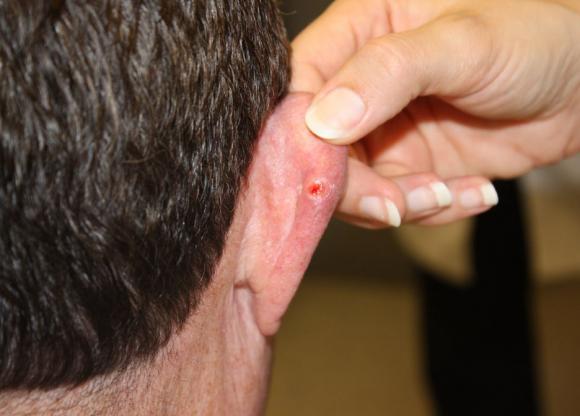
Basal cell carcinomas are slow growing-skin cancers that derive from the base layer of the epidermis. They are usually caused by excessive UV exposure.
Shainhouse explains: “They look like shiny, translucent or pink bumps with tiny blood vessels, and they often have a cycle of bleeding, then healing almost completely, then bleeding again. But they never heal up.”
She says they can be mistaken for a persistent/recurrent picked acne cyst, and if you do have a lesion that just doesn’t heal after a month or two, see your dermatologist for evaluation.
Both dermatologists stress the importance of following up with your doctor regarding any questions you may have about your skin and the recommended treatment options available to you.
Disclaimer: This article is for information only and should not be used for the diagnosis or treatment of medical conditions.
CONTANT TABLE •Oral hygiene •Why is oral hygiene important? •What conditions are linked to oral health? •What is the difference between a dentist and a dental hygienist? •What are the signs of poor oral hygiene? •How can I improve my oral hygiene? •Summary. •Which oral hygiene products should I use? •Tools for better smile. •What are the advantages of good oral hygiene? •Best Dental Hygienist in Pakistan —Book Online Appointment. •Best Dental Hygienist in America—Book Online Appointment. •Note •Free Questionnaire form
Oral hygiene is the practice of keeping your mouth clean and disease-free. It involves brushing and flossing your teeth as well as visiting your dentist regularly for dental X-rays, exams and cleanings.
Why is oral hygiene important?
Oral hygiene is preventative care. This means you can stop oral health problems — such as cavities, gum disease, bad breath (halitosis) and other issues — before they start by taking good care of your teeth and gums.
Oral health (1) is also linked to whole-body health. For example, if an infection is present in your mouth, your bloodstream can carry the bacteria to other areas of your body, leading to other health concerns like heart disease and stroke. Keeping your teeth and gums healthy is an important part of long-lasting overall health.
What conditions are linked to oral health?
Research shows that gingivitis and periodontitis can contribute to certain health conditions, including:
Cardiovascular disease.
Stroke.
Endocarditis (infection of your heart’s inner lining).
Pneumonia.
Pregnancy complications, such as premature birth and low birth weight.
Conversely, there are certain health conditions that can have a negative impact on your teeth and gums, including:
If you or a loved one has any of the conditions listed above, ask your dentist how to promote and support overall health through proper oral hygiene.
What is the difference between a dentist and a dental hygienist?
Basically, a dentist is a doctor.A hygienist is not. But hygienists can still do more than an assistant. The dentist examines and treats your teeth, the dental hygienist cleans your teeth and helps you prevent disease, and the dental assistant helps the dentist (and sometimes the hygienist
What are the signs of poor oral hygiene?
There are several warning signs that could indicate oral health problems. The most common signs of poor oral hygiene include (4):
Bleeding gums.
Tooth decay.
Chronic bad breath.
Loose teeth.
Gum recession.
Mouth sores that don’t go away.
Toothache.
Swelling of the jaw.
Gingivostomatitis, an infection of the mouth caused by certain bacteria or viruses.
How can I improve my oral hygiene? Brush your teeth at least twice a day. Floss once Daily Brush your tongue. Use an antibacterial mouthwash every day. Visit your dentist regularly. Avoid smoking and other tobacco products
📌water flossers: While water flossers are excellent for removing large pieces of food and debris, they can’t remove the biofilm from your teeth surfaces. So, if you use a water flosser, be sure to use traditional dental floss as well.
Regular price—1,499pkr Discount price—999pkr
📌Standard Floss vs. Water Flossers
Dental floss and floss picks
Standard flossing is a simple process that uses a thin, soft piece of string to pass between teeth, gently scraping up and down to remove plaque and food particles from teeth and out from under gums. Another option is a floss pick – a plastic tool with a u-shaped end that holds a small piece of floss. There are several advantages to standard floss and floss picks:
Minimal cost
Easily accessible from a pharmacy or grocery store
Quick and easy to use on the go
Despite the pros to flossing, there are a few cons:
Difficult to reach some areas of the mouth
Can cause minor bleeding, especially if teeth are not flossed regularly
Can worsen or cause gum sensitivity
Water flossers
Water flossing, also known as water picking, utilizes a special device that pulsates a thin stream of water into the mouth and around the gums. Rather than scraping the teeth to remove plaque and food debris, water flossing uses pressure to massage the gums and push leftover food from teeth. Water flossing also has several advantages:
Safe for people of almost all ages
Easy to use and able to target hard-to-reach areas, especially between tightly spaced teeth
Cleans in between teeth for people with braces or arthritis
However, there are a few disadvantages:
Purchase cost
Requires more space for storage
Requires access to electricity and water, making it difficult to use sometimes outside of the home
Which oral hygiene products should I use?
Toothpaste
Mouth Rinse
Listerine Ultra Clean
Colgate Cavity Protection Toothpaste
Listerine Mouthwash
Colgate Max Fresh Toothpaste
Crest
Oral irrigator
Oral-B
Listerine Total Care
Do dentists recommend Listerine?
Price •500ml—556 pkr •250ml—346 pkr •95ml—200 pkr
If you have cavities or are at a high risk of contracting gum diseases, your dentist may recommend an antibacterial mouthwash. Mouth rinses with fluoride can also help ward off tooth decay.
8 Tools for better smile:)
Dental Tools Set Teeth Cleaning Set 4 Pcs Rs. 499
Here are eight basic dental care “tools” for good oral hygiene and a nice smile:
Toothbrushes. (When buying a toothbrush, you’ll see hard, medium, and soft bristles. )
Toothpaste.
Dental floss.
Dental picks and sticks.
Oral irrigators.
Teeth whiteners.
Mouthwash.
Tongue scrapers.
What are the advantages of good oral hygiene?
While your dentist may be able to repair teeth damaged by decay or gum disease, it’s always preferable to stop problems before they start. This is where good oral hygiene comes in. Practicing good oral hygiene offers a wide range of benefits, including:
A reduced need for dental work such as fillings, crowns, bridges, implants or dentures.
A lowered risk of heart disease, stroke, diabetes and other health concerns.
A reduced risk of oral cancer
Additionally, preventative dental care is more affordable than restorative or emergency dental care. So, good oral hygiene can save you time, worry and money in the long run.
Best Dental Hygienist in Pakistan —Book Online Appointment.
🔸Remember, the best oral hygiene routine is one that you can practice consistently. Talk to your dentist about a personalized oral health regimen to meet your needs.
CONTANT TABLE •Knee prevention •Summary •Knee Exercises •Knee-Friendly Cardio •knee injury exercises to avoid •Home Remedies to Reduce Knee Pain •Summary •Alternative Therapies •Free Questionnaire Form •General Medical Health Form
Knee prevention:
9 Tips for Preventing Knee Injuries.
Knee is the body’s most commonly injured joint. Knee injuries are disruptive, affecting your ability to go to work or to maintain your active lifestyle.
•Maintain a Healthy Weight •Wear the Right Shoes •Add Weight Training •Rethink How You Exercise •Keep Stretching •Use Proper Technique •Wear Knee Guards •Don’t Overtrain •Pay Attention to Your Posture
📌Do women have more knee injuries than men? Yes. Women are two to eight times more likely than men to have certain kinds of knee problems like ACL (anterior cruciate ligament) tears. The ACL is the ligament (strong, elastic bands of tissue that connect bone to bone) that stabilizes the knee. It prevents the knee from moving side to side and forward and backward.
📌Is there any connection between knee injuries and estrogen? There may be a connection between knee injuries and monthly hormonal fluctuations in women. Studies have shown that female athletes are more likely to sustain ACL tears just before they ovulate, when estrogen levels are building. However, doctors don’t know why high estrogen levels would lead to injured knees.
📌How can women keep from getting knee injuries?
🔸Here are some ways to avoid knee injuries: •”Warm up” (stretch) your leg muscles before and after you exercise. •Take it slow when starting a new exercise program. •Wear good shoes that fit well and are right for the kind of sport or exercise that you are doing. •Maintain a healthy weight to reduce stress on your knees. •Strengthen your leg muscles by doing specific exercises (walking up stairs or hills, or riding a stationary bicycle).
Knee Exercises.
Warm Up First
You can ride a stationary bike for about 5 minutes, take a brisk 2-minute walk while pumping your arms, or do 15-20 wall push-ups followed by the same number of calf raises. Doing this will help you get more out of your workout, prepare you to stretch, and lower your risk of an injury.
1. Straight Leg Raises
If your knee’s not at its best, start with a simple strengthening exercise for your quadriceps, the muscles in the front of the thigh. This move puts little to no strain on the knee. Lie on your back on the floor or another flat surface. Bend one knee and place your foot flat on the floor. Keeping the other leg straight, raise it to the height of the opposite knee. Repeat 10-15 times for three sets.
2. Hamstring Curls
These are the muscles along the back of your thigh. Lie flat on your stomach. Slowly bring your heels as close to your butt as you can, and hold that position. Do three sets of 15. You can also do this exercise standing while you hold onto a chair and lift one leg at a time. If this becomes easy, you can add ankle weights, slowly increasing the weight from 1 to 3 to 5 pounds.
3. Prone Straight Leg Raises
Lie on your stomach with your legs straight. Tighten the muscles in your bottom and the hamstring of one leg, and lift toward the ceiling. Hold 3-5 seconds, lower, and repeat. Do 10-15 lifts and switch sides. You can add ankle weights as you gain strength. You shouldn’t feel back pain. If you do, limit how high you lift up. If it still hurts, stop and talk to your doctor.
4. Wall Squats
This is a more advanced move. You’ll keep your feet on the floor. Stand with your back against a wall, your feet about shoulder-width apart. Slowly bend your knees, and keep your back and pelvis against the wall. Hold for 5-10 seconds. Don’t bend too deeply. If you feel pressure or discomfort in your knees, change your position. Repeat the exercise, and try to hold the sit position a few seconds longer each time
5. Calf Raises
Stand facing the back of a sturdy chair, other support such as the back of a couch, or a wall bar at the gym. You can also do this on the stairs, holding on to the banister with your heels hanging off the edge of the step. Slowly raise the heels as high as you can, then lower. Do three sets of 10-15. When it becomes easy, lift one foot slightly off the floor, with all your weight on the other foot.
6. Step-Ups
Place one foot on a step bench, platform, or the lowest step on a staircase. Keeping your pelvis level, bend your knee and slowly lower the opposite foot to the floor. Lightly touch your toe to the floor, then rise back up. Repeat 10-15 times, then switch legs. Too easy? Use a higher step, or touch your heel instead of your toe
7. Side Leg Raises
Lie on one side with your legs stacked. Bend the bottom leg for support. Straighten the top leg and raise it to 45 degrees. Hold for 5 seconds, lower and relax briefly, then repeat 10-15 times. Switch sides and start over. Want to try a bit of a different spin on the move? Point the toe of your upper leg slightly toward the floor as you raise it.
8. Leg Presses
Sit on a leg-press machine with your back and head against the support and your feet flat on the foot plate. Adjust the seat back so it’s comfortable. Slowly push the plate away from you until your legs are extended. Bend your knees and return to your starting position. Do three sets of 10-15 reps. (Ask a gym staff member for help the first time you do this.)
Are you worried that working out could cause more knee damage or pain? As long as your doctor says it’s OK, the best thing you can do is to strengthen the muscles that support your knee and keep them flexible. Start slowly, and build up over time. Talk to your doctor about which specific exercises are good for you.
Knee-Friendly Cardio
Gentle is good. So skip high-impact activities such as running or intense aerobics. Notice what feels right for you. For example, some people love elliptical machines, but others don’t. Swimming, jogging in water, or water aerobics are often great! Double-check with your doctor about your exercise plan.
Exercise should never cause pain or make it worse. Remember: Muscle soreness after a hard workout is normal. But sharp, shooting, or sudden pain in the muscles or joints means you should stop and check with your doctor.
knee injury exercises to avoid
High-impact exercises can further injure painful knees. Avoid jarring exercises such as running, jumping, and kickboxing. Also avoid doing exercises such as lunges and deep squats that put a lot of stress on your knees.
Home Remedies to Reduce Knee Pain
The following home remedies can aid in knee pain alleviation.
1. RICE treatment for immediate relief
Rest: Give rest to your knees from the activities that can irritate it and aggravate the inflammation.
Ice: Apply ice to your knees for 15 minutes to subside the inflammation. The cold, restricts blood flow to the knee and acts as an anesthetic to help relieve the pain. Place a towel on your knee before applying the ice and avoid long exposure as it can lead to frostbite.
Compression: Use a tight wrap or bandage around the knee to restrict blood flow and heat in the area.
Elevate: Elevate the knee above the heart level to help increase blood flow back to the heart. This helps in removing excessive blood from your knee and boosts circulation.
Performing RICE (rest, ice, compression, and elevation) two to three times a day is generally the first line of treatment for most knee pains.
2. Use ginger
Consuming powdered ginger regularly can help relieve pain in a way similar to ibuprofen without any risk of intestinal damage.
A study conducted in 2013 demonstrated that ginger powder aids relief from symptoms of osteoarthritis and is safe to use. Additionally, using ginger oil to massage the knee is an effective adjunct therapy.
How to use:
Consume ¼ to ½ teaspoon of ginger orally upon consulting your doctor or use ginger oil for topical massage.
Ginger possesses anti-inflammatory properties which can help relieve knee pain when used orally or topically.
3.Consume vitamin D
Low vitamin D levels are associated with dysfunction and pain in people with knee pain. A poor knee function during balance recovery, aggravated pain, and locomotor dysfunction were seen in osteoarthritis patients with vitamin D deficiency.
A study conducted in 2015 concluded that treating vitamin D deficiency in patients with arthritis helped improve their quadriceps muscle strength and lower knee pain. However, another study showed that vitamin D supplementation did not help improve knee pain in patients with symptomatic osteoarthritis.
How to use:
It is best to increase your vitamin D uptake by consuming vitamin D rich foods such as milk. You can also use supplements upon consulting your doctor.
While some studies support the use of vitamin D for improving knee pain, further research is required to establish its efficacy.
4. Massage with olive oil
Olive oil contains various active compounds that aid in reducing joint damage from rheumatoid arthritis.
How to use:
Take a little amount of olive oil and use it to massage your knee with gentle movements.
Various other oils, including mustard, coconut, sesame, and cinnamon oil are used for knee massage. However, it is important to discuss it with your doctor as there is no research to support their use.
5. Apply turmeric
Turmeric is a popular anecdotal remedy that is supposed to help reduce inflammation, and thus relieve the pain associated with arthritis.
How to use:
Make a turmeric paste by mixing turmeric powder with oil or water and apply on the affected area.
📌Try willow bark extract
Willow bark extract has been used as an analgesic, antipyretic, and anti-inflammatory agent for long. However, there are very limited scientific studies available to support these claims.
The limited evidence suggests that willow bark contains salicin which can help lower the production of pain-inducing chemicals in osteoarthritis patients. However, since there is a lack of proper scientific research, it is best to consult your doctor before using willow bark extracts.
Willow bark can also be found in a distilled tincture form. Taking a drop or two per day for pain relief (up to 2 milliliters) can work as an anti-inflammatory and pain relief substitute for aspirin.
Alternative Therapies
There are a few alternative therapies that can help manage pain. However, it is essential to seek the help of an expert for undergoing these therapies.
1. Acupuncture
In one study, laser and needle acupuncture (1) therapy given for 12 weeks reduced knee pain as opposed to no treatment. However, the effect was non-significant when compared to sham laser acupuncture. More direct studies are needed to determine the efficiency of acupuncture in pain alleviation
2. Tai chi
This traditional Chinese practice involves gentle movement, meditation, deep breathing, and awareness exercises. (2)
A study demonstrated that patients who underwent Tai chi training had more control over their pain and physical functioning when compared to the patients who chose a stretching program and wellness education. (3)
CONTANT TABLE: •Why Does My Knee Hurt? •Most common types of knee pain. •10 of the most common injuries of the knee. •When to see a doctor? •Treatment Options. •Knee Braces—Knee Crutches & Machines—prices •Best knee surgeons in Pakistan ••world best knee surgeon—Dr richard A. Berger •Ask your Question
The knee (Genu—Latin) is a complicated joint. It moves like a door hinge, allowing a person to bend and straighten their legs so they can sit, squat, jump, and run.

The knee is made up of four components:

bones
cartilage
ligaments
tendons
The femur, commonly known as the thighbone, is at the top of the knee joint. The shinbone, or tibia, makes up the bottom of the knee joint. The patella or kneecap covers the meeting point between the femur and tibia.
Why Does My Knee Hurt?
Every year millions of Americans seek treatment for knee pain. Whether the pain stems from a sports injury or simple wear and tear, knee problems rank among the most common reasons for medical visits.
Medical advice and treatment for knee pain depends largely on the type of injury or disorder. Sudden injuries, long-term overuse or underlying degenerative conditions are the most common causes of knee pain. Symptoms often include pain and swelling and stiffness(1).
Treatment options for common knee injuries and conditions can span from rest to surgery, including knee replacement. “Because each individual patient is different, the effectiveness of treatments will vary from case to case.” “•50 ways over 50“
Most common types of knee pain.
Dull knee pain
Dull, achy knee pain often stems from deterioration of the knee’s cartilage.
“Runner’s knee” is a general term for several conditions that cause this type of pain around the kneecap. It’s more common among people who participate in sports that involve running and jumping.
Sudden knee pain
A twinge in the knee upon rising from a chair. A sharp pain while descending stairs. A knee that “locks” while extended. All may be caused by a tear in the cartilage of the knee joint known as the meniscus. Any activity that causes twisting or rotating of the knee can lead to a torn meniscus.
Injury-related knee pain
A traumatic knee injury, such as from a fall or a blow, often causes sudden, sharp pain and instability of the joint.
Knee injuries commonly send people to the doctor’s office. In 2010, more than 10 million visits to the doctor’s office occurred due to knee pain and injury.
There are many different types of knee injuries. Below are 10 of the most common injuries of the knee.
Fractures: Any of the bones in or around the knee can be fractured. The most commonly broken bone in the joint is the patella or kneecap.
High impact trauma, such as a fall or car accident, causes most knee fractures. People with underlying osteoporosis may fracture their knees just by stepping the wrong way or tripping.
2. Anterior cruciate ligament injuries The anterior cruciate ligament (ACL) runs diagonally down the front of the knee, providing critical stability to the joint. Injuries to the ACL can be serious and require surgery.
ACL injuries are graded on a scale from one to three. A grade 1 sprain is a mild injury to the ACL, while a grade 3 refers to a complete tear.
Athletes who participate in contact sports such as football or soccer often injure their ACLs. However, contact sports are not the only cause of this injury.
Improperly landing from a jump or quickly changing the direction of motion can lead to a tear in the ACL.
3. Dislocation Dislocating the knee happens when the bones of the knee are out of their proper placement and alignment.
In a knee dislocation, one or more of the bones may slip out of place. Structural abnormalities or traumas, including car accidents, falls, and contact sports, can cause a knee dislocation
4. Meniscal tears When people refer to torn cartilage in the knee, they are probably talking about a meniscal tear.
The menisci are two rubbery wedges of cartilage between the thighbone and shinbone. These pieces of cartilage can tear suddenly during sporting activities. They may also tear slowly due to aging.
When the meniscus tears due to the natural aging process, it is referred to as a degenerative meniscus tear.
With a sudden meniscus tear, a pop may be heard or felt in the knee. After the initial injury, pain, swelling, and tightness may increase over the next few days.
5. Bursitis Bursae are small fluid-filled sacs that cushion the knee joints and allow the tendons and ligaments to slide easily over the joint.
These sacs can swell and become inflamed with overuse or repeated pressure from kneeling. This is known as bursitis.
Most cases of bursitis are not serious and can be treated by self-care. However, some instances may require antibiotic treatment or aspiration, which is a procedure that uses a needle to withdraw excess fluid.
6. Tendonitis Tendonitis or inflammation in the knee is known as patellar tendinitis. This is an injury to the tendon that connects the kneecap to the shinbone.
The patellar tendon works with the front of the thigh to extend the knee so a person can run, jump, and perform other physical activities.
Often referred to as jumper’s knee, tendonitis is common among athletes who frequently jump. However, any physically active person can be at risk of developing tendonitis.
7. Tendon tears Tendons are soft tissues that connect the muscles to the bones. In the knee, a common tendon to be injured is the patellar.
It is not uncommon for an athlete or middle-aged person involved in physical activities to tear or overstretch the tendons. Direct impact from a fall or hit may also cause a tear in the tendon
8. Collateral ligament injuries Collateral ligaments connect the thighbone to the shinbone. Injury to these ligaments is a common problem for athletes, particularly those involved in contact sports.
Collateral ligament tears often occur due to a direct impact or collision with another person or object.
9. Iliotibial band syndrome Iliotibial band syndrome is common among long-distance runners. It is caused when the iliotibial band, which is located on the outside of the knee, rubs against the outside of the knee joint.
Typically, the pain starts off as a minor irritation. It can gradually build to the point where a runner must stop running for a period to let the iliotibial band heal.
10. Posterior cruciate ligament injuries The posterior cruciate ligament is located at the back of the knee. It is one of the many ligaments that connect the thighbone to the shinbone. This ligament keeps the shinbone from moving too far backward.
An injury to the posterior cruciate requires powerful force while the knee is in a bent position. This level of force typically happens when someone falls hard onto a bent knee or is in an accident that impacts the knee while it is bent.
When to see a doctor? If knee pain becomes chronic, is severe, or lasts for more than a week, a person should consult a doctor. It is important to see a doctor if there is a reduced range of motion in the joint or if bending the knee becomes difficult.
In cases of blunt force or trauma, a doctor should be seen immediately after an injury has occurred.(2)
Treatment for a Fractured Kneecap •A cast or splint to hold the leg in place while the bone heals. •Preventing or reducing weight-bearing. •Pain medications (opioid pain medication may be appropriate for the first few days after a severe kneecap fracture, followed by non-opioid options).
Can you walk with a knee fracture? In most cases, patients can walk while the bone heals as long as the brace keeps the knee straight during ambulation. Most patients use crutches, a walker or a cane for stability during the healing process.(3)
Treatment for ACL •Rest. General rest is necessary for healing and limits weight bearing on your knee. •Ice.When you’re awake, try to ice your knee at least every two hours for 20 minutes at a time. •Compression. Wrap an elastic bandage or compression wrap around your knee. •Elevation. Lie down with your knee propped up on pillows.
Often the diagnosis can be made on the basis of the physical exam alone, but you may need tests to rule out other causes and to determine the severity of the injury. These tests may include:
MRI Ultrasound X-ray
Knee dislocation treatment Surgery may also be recommended if you have recurrent patellar dislocations or chronic patellar instability. Repairing and strengthening the cartilage and ligaments is a preventative measure to restabilize the knee. When patellar dislocation is congenital, the joint can only be repaired through surgery.
Meniscal tear treatment Avoid activities that aggravate your knee pain, especially any activity that causes you to twist, rotate or pivot your knee. If your pain is severe, using crutches can take pressure off your knee and promote healing. Ice. Ice can reduce knee pain and swelling.
Can a meniscus tear heal on its own? In the case of meniscus tears, some people think the injury will heal over time on its own. But the truth is that there are different types of meniscus tears — and some tears won’t heal without treatment. If your tear is on the outer one-third of the meniscus, it may heal on its own or be repaired surgically.
Tendonitis treatment •Pain relievers. Over-the-counter medications such as ibuprofen and naproxen sodium may provide short-term pain relief. •Avoid activity that causes pain. You may need to practice your sport less often or temporarily switch to a lower impact sport. … •Ice. Apply ice after activity that causes pain.
Tendon tear treatment Most people with complete patellar tendon tears require surgery to regain knee function. Surgical repair involves reattaching the torn tendon to the kneecap. People who require surgery do better if the repair is performed soon after the injury.
Collateral ligament injuries treatment •Crutches to walk until the swelling and pain get better. •A brace to support and stabilize your knee. •Physical therapy to help improve joint motion and leg strength. •Surgery to repair the collateral ligament or other associated injuries.
Iliotibial band syndrome •Limiting activities that make your knee pain worse for a while (like running), and returning to these activities slowly. •Icing the outside of your knee. •Taking over-the-counter pain medicines. Getting corticosteroid shots to decrease inflammation.
Posterior cruciate ligament treatment •Using crutches at first, then gradually walking with more weight on the knee. •Having a machine or therapist move your leg through its range of motion. •Temporarily wearing a knee brace for support.(4) •Strengthening your thigh muscles to help make the knee more stable.
CONTANT TABLE: •What is monkeypox? •Difference between monkeypox, chickenpox, smallpox •Symptoms •Virus origin •Why it is spreading now? •causes •Is monkeypox still around? •Affected countries •Treatment •Preventions •Monkeypox—in Pakistan •Media Report •Free Questionnaire Form
What is monkey pox?
Monkeypox virus (MPV or MPXV) is a double-stranded DNA virus that causes monkeypox in humans and other animals. It belongs to the genus orthopoxvirus in the family poxviridae. It is one of the human orthopoxviruses that includes variola(VARV), cowpox(CPX), and vaccinia(VACV) viruses. It is not a direct ancestor to, nor a direct descendant of, the variola virus, which causes smallpox. Monkeypox disease is similar to smallpox, but with a milder rash and lower mortality rate.
Difference between chickenpox monkeypox and smallpox.
The main difference between symptoms of smallpox and monkeypox is that monkeypox causes lymph nodes to swell (lymphadenopathy) while smallpox does not. The incubation period (time from infection to symptoms) for monkeypox is usually 7−14 days but can range from 5−21 days. The illness begins with Fever (1).
SYMPTOMS:
Symptoms of monkeypox are similar but less severe than those of the smallpox virus. They normally appear a week or two after exposure to the virus, though it can take longer in some cases. Monkeypox normally starts with flu-like symptoms, including fever, chills, a headache, and achy muscles.
VIRUS ORIGIN:
The name “monkeypox” originated in 1958 after the first cases were documented in monkeys being used for research. However, monkeys are not major carriers of the disease. Monkeypox is usually transmitted to humans by the bite of an infected animal, or by touching an infected animal’s blood, body fluids, or fur.
Why Is Monkeypox Spreading Now?
Monkeypox is endemic in Western and Central Africa, where most cases have been found since the virus’s discovery. Over the last 5 years, many monkeypox cases have appeared in Nigeria, which led to infections in at least nine people in various parts of the world who had recently returned from the country, Human monkeypox cases have been previously discovered in the U.S., including two people who had traveled to Nigeria in 2021.
Forty-seven confirmed and likely cases were also found in the U.S. in 2003. Those were closely linked to animals imported from Ghana, according to the CDC.
But recent global cases of monkeypox were found in people who hadn’t visited West African or other countries where the virus is often found. Infected people had traveled to Canada and countries in Europe, where cases were reported in late April and early May.
CAUSES:
Monkeypox is largely transmitted through close, skin-to-skin contact with people who have lesions as a result of the virus. You can also catch the virus through respiratory droplets if you’re around an infected person with lesions in their mouth for an extended period.
What we are talking about here is close contact – it’s not a situation where if you are passing someone in the grocery store, they’re going to be at risk for monkeypox.
Is monkeypox still around?
Typically, monkeypox occurs in Central and West Africa. According to the World Health Organization, as of May 22, more than 250 confirmed and suspected cases of monkeypox have been reported in 16 countries in this recent outbreak.
Where is monkeypox started?
This is not a new disease. Monkeypox has been around for years. The first human case was recorded in 1970 in the Democratic Republic of the Congo. Typically, monkeypox occurs in Central and West Africa.
Affected countries:
According to WHO monkeypox has spread to more than 20 countries, but the out breaks are containable.
Cases of monkeypox in non-endemic countries.
Cases of monkeypox in endemic countries between 15 December 2021 to 1 May 2022.
Geographical distribution of confirmed and suspected cases of monkeypox in non-endemic .
TREATMENT:
There are currently no licensed treatments for monkeypox and there is limited data on the duration of its contagiousness, with the incubation period ranging from five to 21 days. Patients typically stay in isolation in a specialty hospital to prevent spreading the virus to others.
BUT, Smallpox vaccine, cidofovir, ST-246, and vaccinia immune globulin (VIG) can be used to control a monkeypox outbreak.
PREVENTIONS:
Practice good hand hygiene after contact with infected animals or humans. For example, washing your hands with soap and water or using an alcohol-based hand sanitizer. Avoid contact with animals that could harbor the virus (including animals that are sick or that have been found dead in areas where monkeypox occurs) (2).
🔸The World Health Organisation (WHO) said it expects to identify more cases of monkeypox as it expands surveillance in countries where the disease is not typically found.
Monkeypox in Pakistan:
I have been seeing news of monkey pox spreading around. I have confirmed and rechecked as per reports of National institute of Health no case of monkeypox has yet been diagnosed in Pakistan.
However, the federal government on Monday issued special instructions to all national and provincial authorities to remain on high alert for any suspected case of monkeypox.
📌Media Report!
KARACHI: No case of monkeypox disease has so far been reported in Pakistan. It’s usually a self-limiting illness against which an effective (smallpox) vaccine is already available. Its virus, unlike coronavirus, doesn’t spread through the air and infected people have obvious signs. Most cases (in the world) have been reported in male sex workers that seem to have spread the virus.
KEY POINTS •MUHAMMAD—Religious Leader! •As-Sadiq & Al-Ameen •Life Before Prophethood •Prophethood •Why did Muhammad have eleven wives while Islam allows up to four wives? •Brief history of why he married so many wives. •Non-Muslims who ask how Muhammad pbuh could marry a 9 year old girl? •ANSWER:Ending the Debate on Hazrat Ayesha (R.A)’s age •When and how did Miraj معراج (Night of journey) happen? •How can we prove the miracle of Miraj معراج ( Night of journey) in the face of a non-believer? •The Farewell Sermon of the Prophet Muhammad (PBUH):خطبہ حجۃ الوداع •5 lessons for the farewell sermon •The Farewell Sermon in full •Family tree •Stamp of prophet muhammad
MUHAMMAD—Religious Leader!
Muhammad ibn Abdullah was an Arab religious, social, and political leader and the founder of the world religion of Islam. According to Islamic doctrine, he was a prophet, divinely inspired to preach and confirm the monotheistic teachings of Adam, Abraham, Moses, Jesus, and other prophets.
As-Sadiq & Al-Ameen
As-Sadiq , Al-Ameen ( The one who is truthful and the one to be trusted ). A person does not get to that level by words , his actions and his character must be such that people would believe what he says and would trust his word.
Life Before Prophethood
Muhammad (s.a.w) was born in makkah, Arabia in 570 CE.
He (s.a.w) was a member of Bani Hashim clan of the Quraish tribe. The Hashimites were an influential family.
His father, Hazrat Abdullah, died before He was born.
His mother, Hazrat Amina, died when He was 6 years old.
His grandfather, Hazrat Abd-ul-Muttalib, took care of him for 2 years. And died when He was 8 years old.
His uncle, Hazrat Abu Talib took care of him & preferred Him to his own sons.
As a young man Muhammad (s.a.w) was a trader. Quraish appointed Him as arbitrator in a dispute. He was employed by Hazrat khadijah, a wealthy women of Quraish tribe. His honesty, trustworthiness, piety & nobility facilitated their marriage. He abhorred idolatry and believed in ONE ALLAH. He would retreat to a cave in Mt. Hira to glorify Allah & ponder on the plight of His people. He spent His time in worship and deep reflection about the world around him. He would feed the poor who came to Him during His retreats.
Prophethood
Prophet continued to received revelation from the Angle Hazrat Gabriel. This revelation (Prophethood) lasted 23 years. Muhammad’s (s.a.w) life after He became Prophet can be divided into 2 phases.
The Makkah period
The Madinah period
The Makkah period
The Makkah period lasted approximately 13 years. This period may be further divided into 3 parts:
The phase of secret invitation —3 years. He preached only to His family & close friends •The phase of public invitation to the people of Makkah (from 4 year until migration to Madinah). He preached in public & explained the folly of idolatry. •The phase of invitation outside of Makkah. From the end to 10th year through the Madina period until the end of his life.
The Madinah period
The Medinan phase lasted approximately 10 years. The phase began from Muhammad’s hijrah to Madina; and ended at the death of Muhammad.
Why did Muhammad have eleven wives while Islam allows up to four wives?
Many people will jump into wrong conclusion on this topic. Here are some facts that can change the wrong perception.
0ut of 11 marriages, 2 got divorced before even the couple met each other. Therefore Islam considers the effective marriages were only 9 and not 11.
Many do not know that out of 9 wives, 8 were widows. On the contrary if Prophet Mohamed had married 8 young girls + 1 widow, one could guess he was sexy. But his act of marrying 8 widows & 1 young girl reveals a non-sexy story. I will explain further at the end.
The widows he had married were of different ages, the highest in age being a 60 years old lady at the time of her marriage to prophet. None but the one who is unware of facts only can say that he was sex crazy.
The age of only unmarried girl whom he married is disputed by many. Some say she was 6 years old, some say she was 9 and the rest say she was 20. Prophet’s enemies love to say she was 6, but those who love Prophet, including me believe she was 20.
After the death of Prophet’s first wife, his greatest Companion had insisted that he should marry his daughter who was 20-year young girl mentioned above and therefore the marriage occurred.
Until the age of 50 he lived happily with one wife. If he was sex-crazy he would have started marrying at his earlier age.
📌Brief history of why he married so many wives.
He became a Prophet at 40 and started receiving revelation of Holy Quran. As years passed by, due to Islam being preached and accepted by many Muslims, there were several wars between Muslims & tribal people in which thousands of Muslims got killed. It was a pathetic scene to witness widows everywhere in desert country where even grass does not grow. These women needed care-takers, including food & shelter. Therefore Prophet and his companions married widows with the noble idea of supporting them and not due to sexual desires.
During the wars, there were also some widows captured who were daughters of tribal chiefs. In those days if someone marries outside his tribe (like inter-caste marriage these days), there used to be enmity turning into friendship between them. Thus by marrying widow daughters of tribal chiefs who were fighting war against Muslims, the war will come to an end and result in peace and friendship.
The problem of support to widows was faced also by western world after WWII, when millions of men & soldiers got killed in war, leaving behind women widows in millions. The west solved this problem by bringing women into workforce, as telephone operators, receptionists accountants etc and at the same time freedom of sexual inter-mingling without marriage was promoted, whereas Islam gave a status of additional wife to widows.
Going a few centuries back, we know how widows were ill-treated. In Buddhism, widows had to shave off their heads, in India widows under religious practice were encouraged to jump into the pyre of her husband, widows not being allowed to wear dress of any color except while colour, widows not being allowed in auspicious domestic functions etc are just some examples.
Therefore if anyone studies why Prophet Mohammed married many wives and how well widows were treated in Islam, there will no misconception.
Non-Muslims who ask how Muhammad pbuh could marry a 9 year old girl?
Do you need to marry someone to help them? Why cant they simply give them shelter and food.
Does the quran teach family values…or the idea of a godly family is to have many wives
Aisha age of 6 and 9 is not given by enemies of Islam. It is in the hadiths. without hadith you also wont know he had 11 wives and why?
ANSWER:
1) give them shelter and food is not enough if you don’t know likely you don’t understand the basic of Charity (ask someone from Charity organize and he will explain it to you)
2) if you believe so, then keep your beliefs to yourself. Because Muslims don’t believe so.
3) no it’s 20 years and by both Hadith and History. here the link⤵
and Hadith is a reference and alone can’t act as Evidence you have to support with something else. As Hadith does include everything belongs to our Prophet (peace upon him) from History to Myths, from Lies to Truth. Everything by the Literal means everything regardless of the source that why we have over Hundreds Of Thousands Hadith, yet we believe in less than 2000.
When and how did Miraj معراج (Night of journey) happen?
Answer: The miracle of Miraj happened on the 27th night of month of Rajab, half and a year before migration when RasulAllah (the Apostle of Allah) was in Mecca. That night Gabriel (pbuh) took the Apostle of Allah with a Heavenly mount named Buraq and brought him first to Jerusalem (Al-Quds), to Masjid al-Aqsa. This part of the journey is called Isra meaning nocturnal walking. After he performed prayer as an imam to the souls of all the Prophets (peace be upon them all) here, he was ascended to the heaven, passed through the seven layers of heavens, saw the Hell and the Paradise and the Sidrat al-Muntaha, and then left behind all the universe passing through the Arsh A’la (the Sublime Throne) and met with Allah without any barriers in a place called Qa’b Qawsayn (the distance of two arches) and saw his infinite beauty (Jamal) and heard his word and was honoured to have a conversation with him. He returned back from this long journey all of a sudden.
How can we prove the miracle of Miraj معراج ( Night of journey) in the face of a non-believer?
The miracle of Miraj can’t be proven on its own to non-believers, who do not recognize the basic tenets of faith. This is because the miracle of Miraj can’t be told to ones who do not know Allah and the Prophets and do not recognize the angels or deny the existence of the heavens. First the pillars of faith should be proven and then the miracle of Miraj should be built on these pillars. Ustad Bediuzzaman, following this method in Miraj treatise, has proven the miracle of Miraj which is difficult to conceive in such a decisive manner that even a non-believer can accept.
The Farewell Sermon of the Prophet Muhammad (PBUH):خطبہ حجۃ الوداع
5 lessons for the farewell sermon:
1. “Hurt no one so that no one may hurt you.”
This is a powerful way to start the sermon. Often speakers talk about a topic and at the end they ask a question to feed introspection, however the Prophet (PBUH) in his wisdom took our attention to ourselves and immediately we are reminded to reflect on our actions. We are reminded to look inward and protect others as a way of protecting ourselves. Many psychologists repeat the refrain, “Hurt people, hurt people.” Amazing how this was conveyed over 1,400 years ago. Guard your tongue, your actions, be present. The deeper lesson here is one of taqwa. Being mindful of your impact and knowing the rights of others upon you is to be free from harm, subhanAllah.
2. Keeping away from usury
The majority of us have little idea how insidious the consumption of Riba is. Usury has led to the rise in capitalism and, with it, the idea that life needs to be lived in excess, with over-consumption and a deep drive for owning the best, biggest, and latest of every item. When we understand the severity of consuming interest reaffirms how incredible and merciful Allah is by sending us a Prophet (PBUH) to advise us, give us the chance to save our souls from the bondage of desires, and allow us to tread a path towards purification.
3. Beware of Satan, for the safety of your religion
The plot of Shaytan ever unfolding. He is a master manipulator. This piece of advice is extremely powerful because we often underestimate Shaytan. His goal is simple: sabotage your life in two ways – by harming you and by pushing you to harm others. Seek refuge in Allah be vigilant and mindful of your thoughts and actions. Remember a crucial point, shaytan works in steps. He will seldom just whisper for you to leave your religion. He will tactically beautify the haram desires and push you to weaken in your endeavours that you pursue to bring you close to Allah.
“O you who believe! Enter perfectly in Islam (by obeying all the rules and regulations of the Islamic religion) and follow not the footsteps of Shaytan (Satan). Verily! He is to you a plain enemy.” (2:208).
4. Eliminating racism
In his sermon, the Messenger said, “All mankind is from Adam and Eve, an Arab has no superiority over a non-Arab nor a non-Arab has any superiority over an Arab; also a white has no superiority over black nor does a black have any superiority over a white except by piety and good action.”
With the growth of the Black Lives Matter movement, the powerful advice of the Prophet (PBUH) is extremely important to heed. We are reminded of our origins and redirected to what truly matters: someone who has a heart that is attached to Allah in word and deed. This is what is truly important.
4. Treating women well
This advice is extremely pertinent in our times, when the disrespect and subjugation of women is far too common. The Prophet (PBUH) advised us to be guided by kindness and honour in the treatment and status of women. It is a reminder to both men and women of the status and rights of women in Islam, and society’s duty to uphold this standard.
The Farewell Sermon in full:
📌PERSONAL
🔸Born—On 12 Rabiulawal (29 August 570 CE), the third month of the Muslim calendar. 🔸Died—June 8, 632 AD 🔸Place of death—Medina, Saudi Arabia 🔸Resting palace—Green Dome at al-Masjid-an-Nabawi, Medina, Arabia 🔸Spouse— •Hazrat Khadijah 595–619 •Hazrat Sawdah 619–632 •Hazrat Aishah 623–632 •Hazrat Hafsah 625–632 •Hazrat Umm Salamah 625–632 •Hazrat Zaynab 627–632 •Hazrat Juwayriyah 628–632 •Hazrat Umm Habibah 628–632 •Hazrat Safiyyah 629–632 •Hazrat Maymunah 629–632 •Hazrat Maria 628–632
🔸Children— 4 Daughters & 3 sons •Hazrat Fatimah bint Muhammad •Hazrat Zainab bint Muhammad •Hazrat Ruqayyah bint Muhammad •Hazrat Umm Kalsoom bint Muhammad •Hazrat Ibrahim ibn Muhammad •Hazrat Qasim ibn Muhammad •Hazrat Abdullah ibn Muhammad 🔸Parents— •Hazrat Abdullah ibn Abd-ul-Muttalib •Hazrat Amina bint Wahab
📌Stamp of prophet muhammad
Muhammad had a seal made of silver, with the words Muḥammad rasūl Allāh or “Muhammad the Apostle of God.” The three words, on three lines, were on the ring, and Muhammad ordered that no duplicate was to be made. After his death, the ring came down to Uthman, who accidentally dropped the ring into the well of Aris.